ECOWAS unites in Freetown to tackle illicit drug flows and human security threats
FREETOWN, Sierra Leone, July 7, 2026 – Representatives from Member States of the Economic Community of West African States (ECOWAS) on Tuesday began a three-day regional workshop in Freetown aimed at strengthening early warning responses to illicit drug flows and the growing human security threats confronting the Mano River Union (MRU) sub-region.
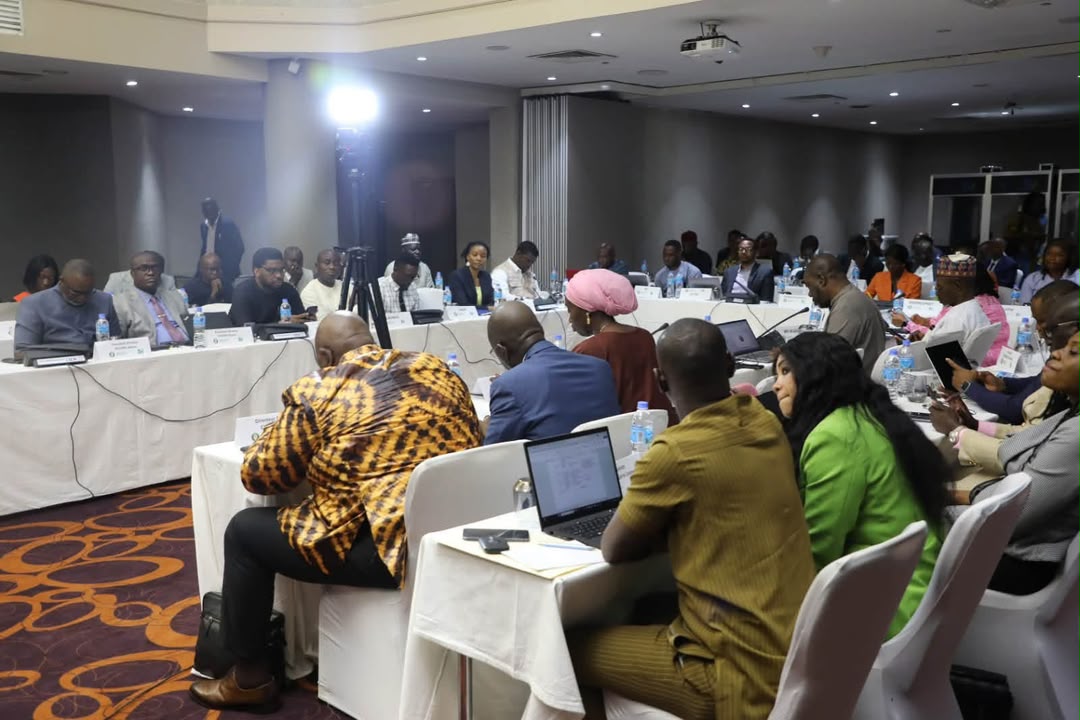
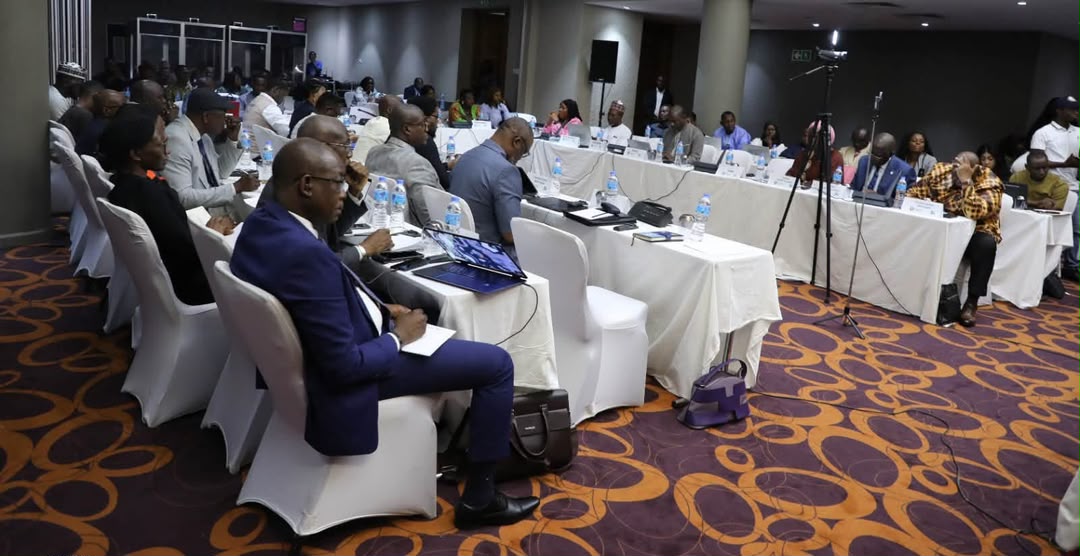
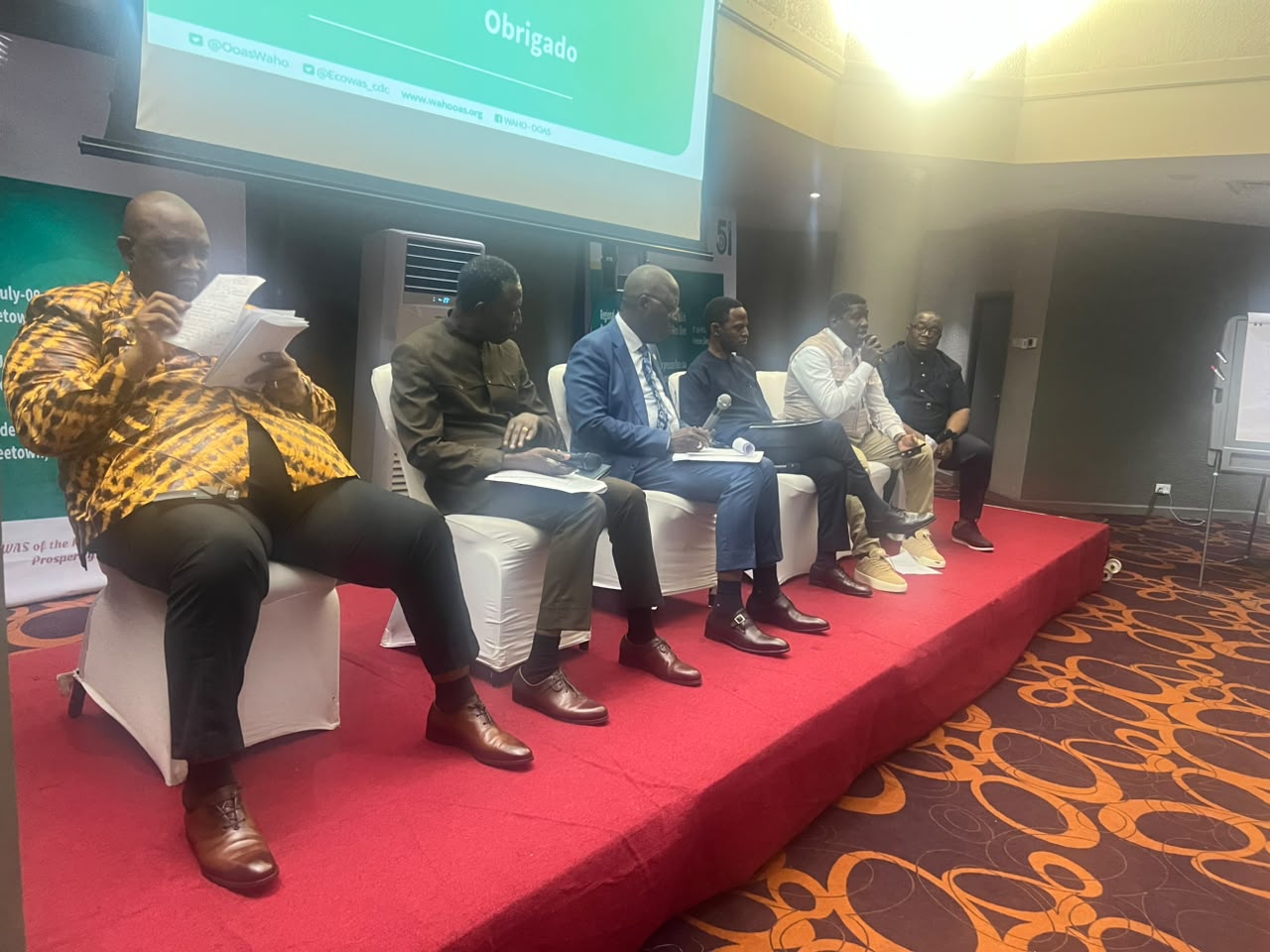
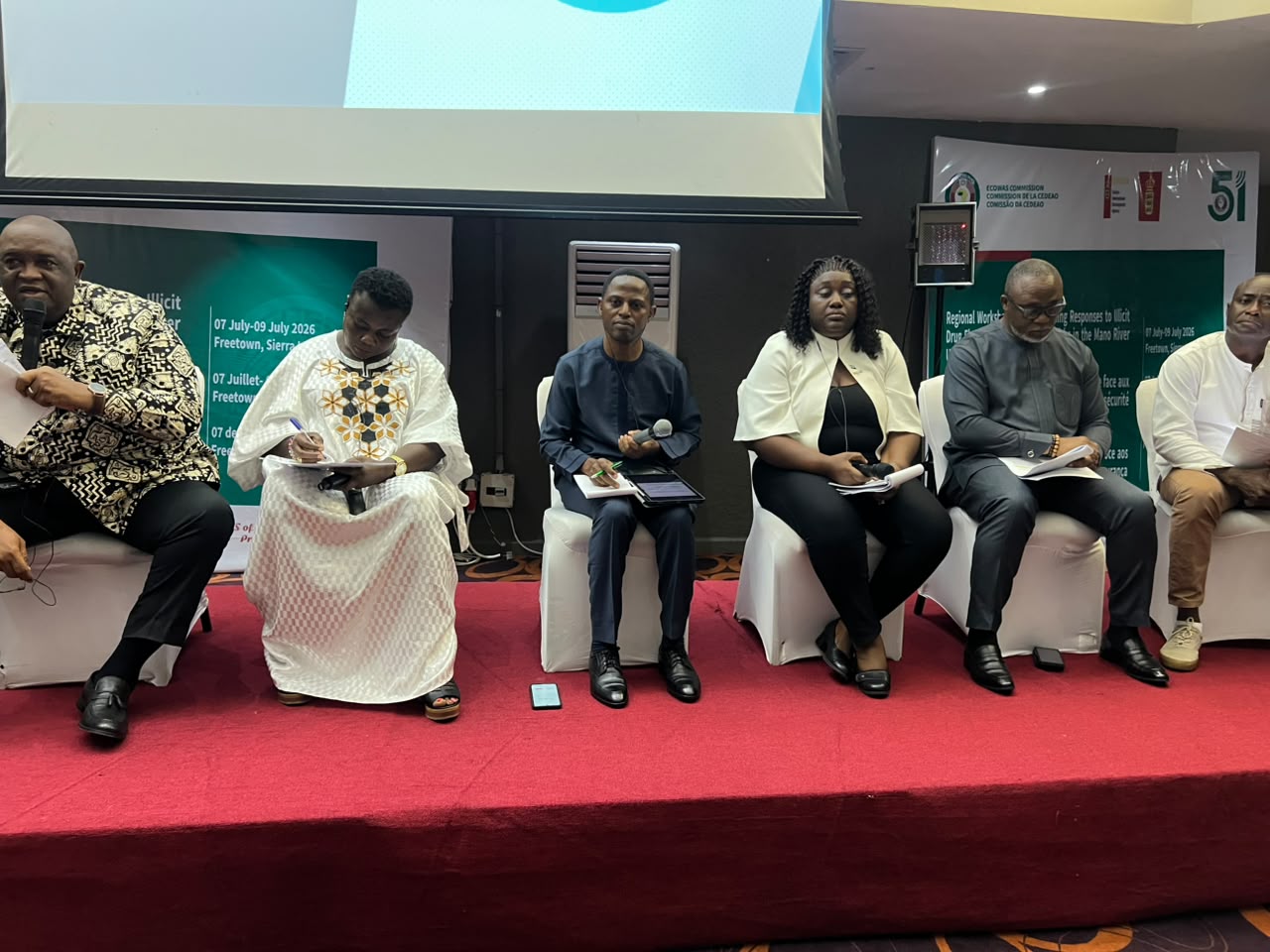
The workshop, held at the Radisson Blu Mammy Yoko Hotel has brought together early warning experts, policy-makers, security practitioners, public health specialists and regional partners to examine the increasing impact of illicit drug trafficking, particularly synthetic drugs, on peace, security and development in West Africa.
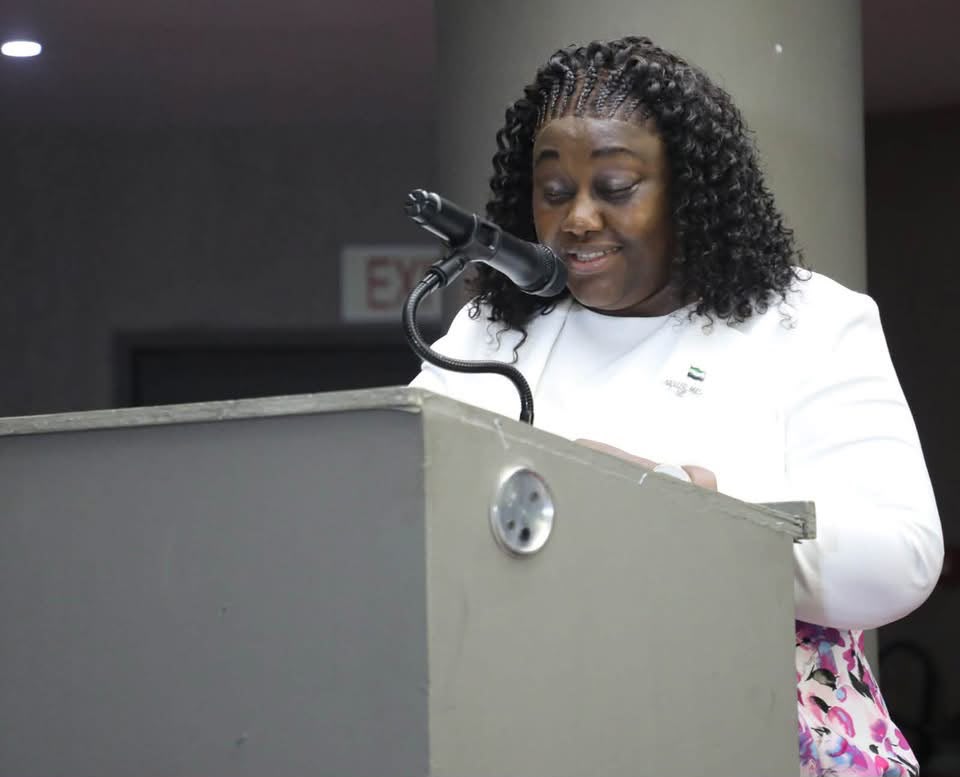
Welcoming delegates, the Executive Director of the National Early Warning and Response Mechanism Centre of Sierra Leone (NEWRMC-SL) Mrs Francess Nyuma described illicit drug trafficking as one of the most pressing threats to peace, public health and regional stability within the Mano River Union.
She called for stronger inter-agency collaboration and enhanced cross-border cooperation to combat the growing proliferation of synthetic substances while addressing the challenges posed by porous borders.
“We cannot allow these illicit drug flows and networks to unravel the peace and progress we have built. Uncontrolled crossing points and transnational criminal syndicates not only threaten local security but also foster human trafficking and the flow of illegal arms, It is not only a law enforcement issue; it is a public health concern and a threat to human security” she said, urging member states to adopt synchronized regional actions to confront the evolving threat.
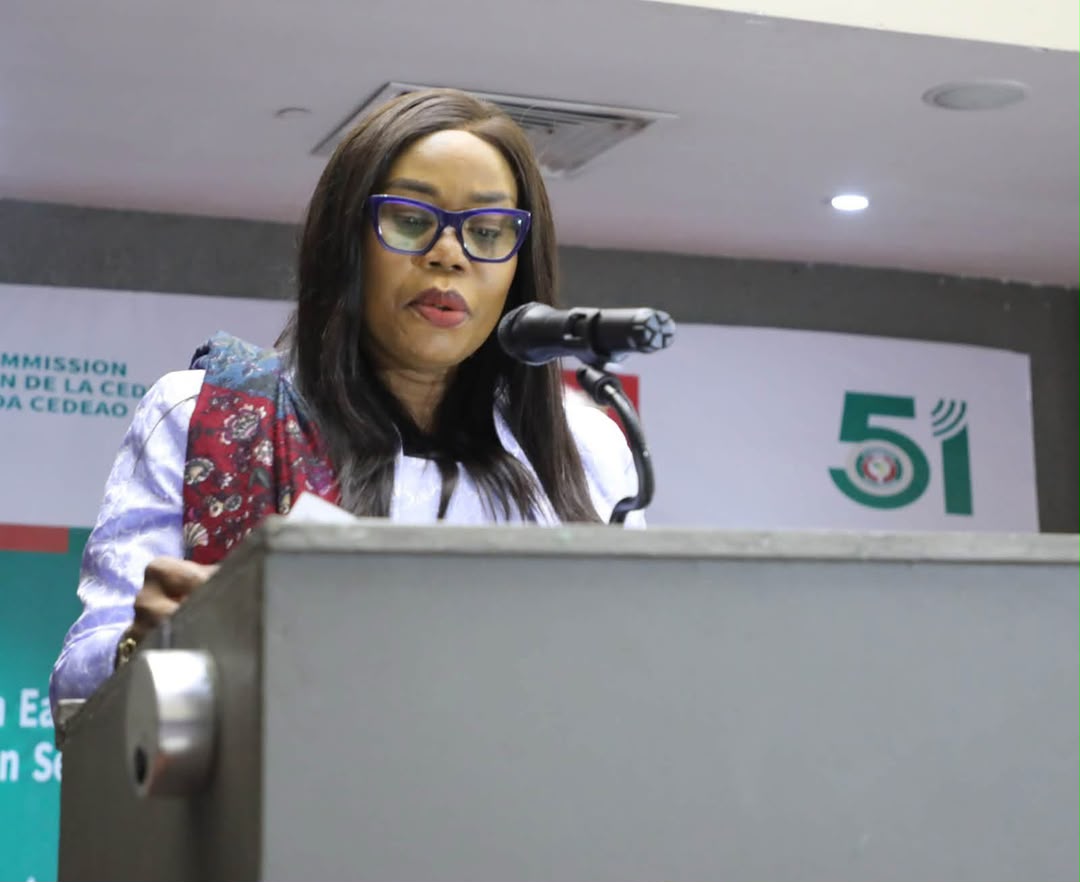
Speaking on behalf of the ECOWAS Early Warning Directorate, the Acting Director of the Nigeria Early Warning Centre, Dr. Onyinye Onwuka, said illicit drug trafficking has become a major driver of organised crime and instability across the region.
“When illicit drugs move across borders, they often bring with them organised crime, violence, weakened social structures, public health challenges and growing vulnerabilities among young people,” she said.
Dr. Onwuka noted that the National Centres for the Coordination of Response Mechanisms (NCCRMs) or the National Early Warning Centres in the region occupy a strategic position within ECOWAS’ conflict prevention architecture. She reaffirmed the ECOWAS Early Warning Directorate’s commitment to strengthening regional capacities for risk monitoring, analysis and preventive action.
According to her, through the ECOWARN platform and sustained collaboration with member states, national centres, technical partners and civil society organisations, ECOWAS will continue promoting a comprehensive human security approach that recognises the interconnected nature of emerging regional threats.
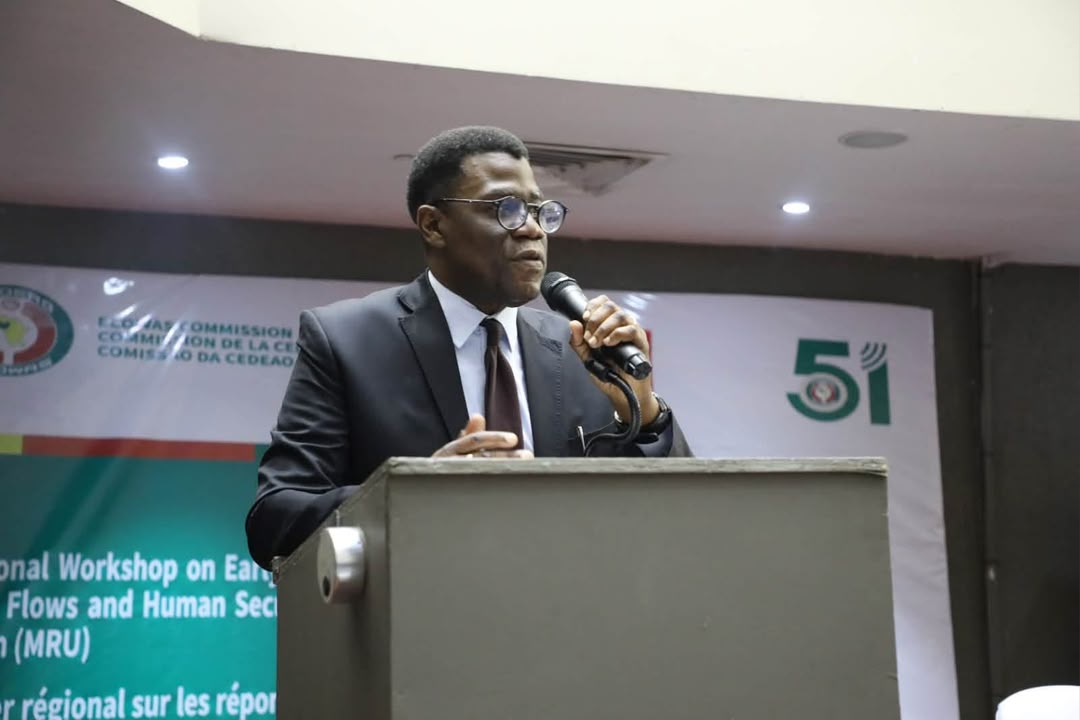
Also addressing the opening ceremony, Mano River Union Deputy Secretary General for Peace and Security Ange Konan-Monu said illicit drug flows have evolved beyond a law enforcement issue, posing multidimensional threats that undermine societies across the sub-region.
“Illicit drug flows in the MRU are not just a law enforcement headache; they actively undermine the fabric of society across multiple dimensions,” she said.
She stressed that addressing the crisis requires a collective regional response and called for a fundamental shift in early warning strategies from traditional state-centric border enforcement to a broader human security framework.
According to her, that framework should incorporate responses to public health emergencies, economic vulnerabilities and institutional weaknesses that enable organised criminal networks to thrive.
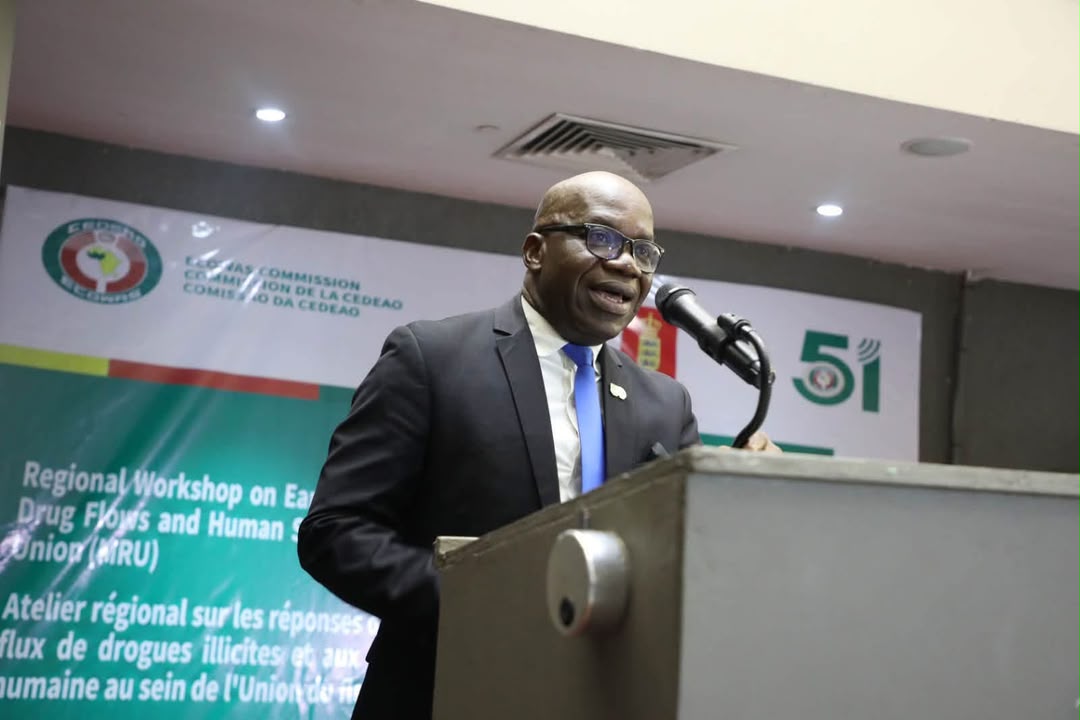
The workshop was officially declared open by the ECOWAS Resident Representative to Sierra Leone, H.E. Ambassador John Azumah, who represented the President of the ECOWAS Commission, H.E. Dr. Omar Alieu Touray.
Ambassador Azumah expressed appreciation to President Julius Maada Bio, Chairperson of the ECOWAS Authority of Heads of State and Government, for his leadership and commitment to regional peace and security.
He reiterated ECOWAS’ belief that “Early Warning is everybody’s business” and encouraged participants to develop practical and actionable recommendations that will inform future submissions to the ECOWAS Authority of Heads of State and Government.
He noted that the workshop forms part of the implementation of ECOWAS Vision 2050 and contributes to the collective objective of building a peaceful, secure, prosperous and integrated West Africa.
The technical sessions feature presentations by regional and international experts on a range of emerging security issues, including the rise of new drug economies and synthetic substances such as Kush, the implications of drug trafficking for early warning systems, the links between organised criminal groups within the Mano River Union, and evolving security dynamics in Liberia, Sierra Leone, Guinea and Guinea-Bissau.
Participants are also examining ways of integrating public health data into the ECOWARN system to improve the early detection of drug-related human security threats, mapping emerging trafficking routes, and analysing the nexus between illicit drug trafficking, violent extremism, organised crime and migration flows across the ECOWAS region.
The workshop is expected to strengthen regional cooperation, enhance information sharing and develop coordinated strategies to prevent and respond to illicit drug trafficking and its far-reaching consequences for human security across West Africa. responsibilities. By equipping them with the necessary skills, knowledge, and tools, we can strive for a fair, transparent, and credible electoral process that upholds democratic principles.