Deputy Defence Minister Commends NEWRMC-SL, Calls for Stronger Early Warning and Response Mechanisms
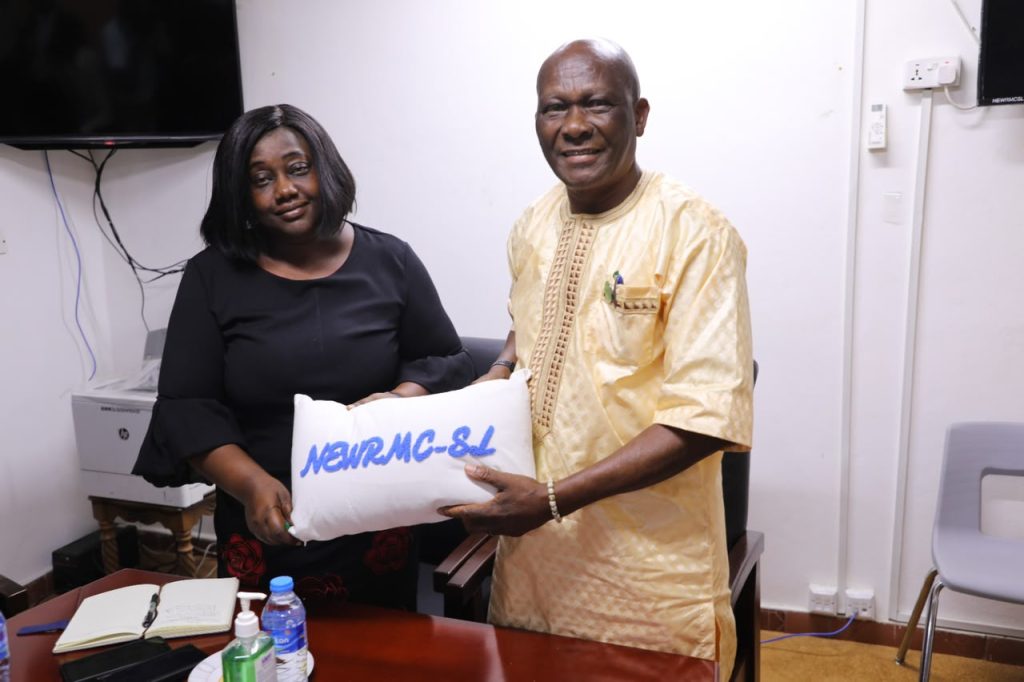
Deputy Defence Minister Commends NEWRMC-SL, Calls for Stronger Early Warning and Response Mechanism Deputy Defence Minister Commends NEWRMC-SL, Calls for Stronger Early Warning and Response MechanismsDeputy Minister of Defence, Colonel (Rtd.) Muana Brima Massaquoi during his courtesy visit to the Centre on Wednesday, 11 November underscored the strategic importance of the National Early Warning and Response Mechanism Centre Sierra Leone (NEWRMC-SL) in the country’s security architecture, while calling for stronger institutional collaboration to enhance early warning and response efforts. individuals to effectively fulfill their responsibilities. By equipping them with the necessary skills, knowledge, and tools, we can strive for a fair, transparent, and credible electoral process that upholds democratic principles. RECENT BLOGS Deputy Defence Minister Commends NEWRMC-SL, Calls for Stronger Early Warning and Response Mechanisms November 12, 2026 NEWRMC marks 5th Anniversary with Inter-schools Quiz competition to promote peace and human security October 21, 2026 NEWRMC-SL and TOCU Explore Partnership to Strengthen Response to Transnational Organised Crime August 27, 2026 ECOWAS Seeks NEWRMC’s Support for €16 Million Fragility and Development Programme July 27, 2026 NEWRMC-SL Commends ECOWAS for Renewed Commitment to Peace, Security and Regional Stability July 23, 2026 BLOG CATEGORIES Analysts Briefing Sessions Other Engagements
THE GAMBIA LAUNCHES ITS NATIONAL EARLY WARNING AND RESPONSE (NEWAR) POLICY!

THE GAMBIA LAUNCHES ITS NATIONAL EARLY WARNING AND RESPONSE (NEWAR) POLICY! THE GAMBIA LAUNCHES ITS NATIONAL EARLY WARNING AND RESPONSE (NEWAR) POLICY! From Early Warning to Early Action: Building a Peaceful, Resilient and Inclusive Gambia! On 29th September 2026, The Gambia marked a significant milestone in its peace and security architecture with the official launch of the National Early Warning and Response (NEWAR) Policy, in a ceremony graced by the Vice President of The Gambia, Vice President of ECOWAS, EU and German Ambassadors, senior government officials, regional representatives and other key stakeholders. The policy provides a strategic framework for anticipating emerging human security threats, strengthening institutional coordination and ensuring timely responses to risks before they escalate into crises. In their respective statements, dignitaries underscored the importance of prevention, political commitment, adequate resources, community ownership and multi-stakeholder collaboration in ensuring effective implementation. The policy envisions a peaceful, resilient and inclusive Gambia by 2035, driven by coordinated, people-centred early warning and response systems. A major highlight was the keynote address by the Vice President of The Gambia, who reaffirmed his commitment to the policy, emphasizing that early warning means little without early action. This was followed by the symbolic presentation of the policy and recognition of stakeholders who contributed to its development. The launch also featured a high-level panel discussion on “Strengthening Early Warning in West Africa: From National Policy to Regional Action,” bringing together representatives from WANEP, Nigeria, Ghana, Côte d’Ivoire, Guinea and regional peace and security experts. Discussions emphasized cross-border collaboration, community engagement, civil society participation, institutional capacity-building and information sharing. With this landmark policy, The Gambia takes an important step towards shifting from reactive crisis management to proactive risk prevention and coordinated response. The message is clear: We must not only see the warning signs; we must act before threats become crises! RECENT BLOGS Deputy Defence Minister Commends NEWRMC-SL, Calls for Stronger Early Warning and Response Mechanisms November 12, 2026 THE GAMBIA LAUNCHES ITS NATIONAL EARLY WARNING AND RESPONSE (NEWAR) POLICY! November 11, 2026 NEWRMC marks 5th Anniversary with Inter-schools Quiz competition to promote peace and human security October 21, 2026 NEWRMC-SL and TOCU Explore Partnership to Strengthen Response to Transnational Organised Crime August 27, 2026 ECOWAS Seeks NEWRMC’s Support for €16 Million Fragility and Development Programme July 27, 2026 BLOG CATEGORIES Analysts Briefing Sessions Other Engagements
NEWRMC-SL and TOCU Explore Partnership to Strengthen Response to Transnational Organised Crime
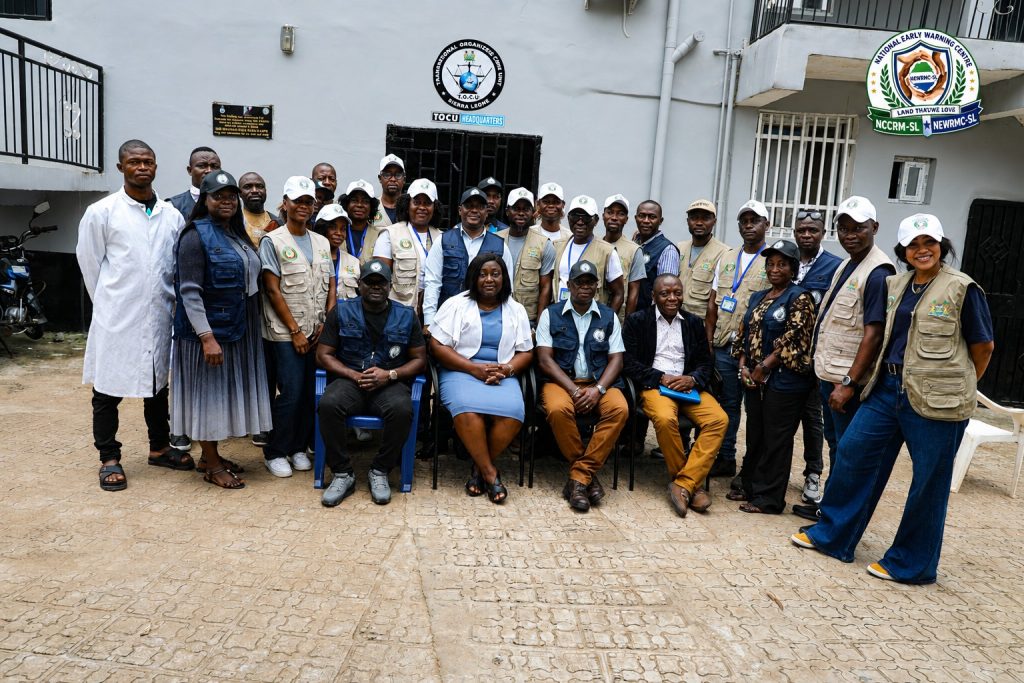
NEWRMC-SL and TOCU Explore Partnership to Strengthen Response to Transnational Organised Crime HASTINGS, Sierra Leone – 26 August 2026: Staff of the National Early Warning and Response Mechanism Centre Sierra Leone (NEWRMC-SL), led by the Executive Director Mrs. Francess Nyuma visited the Transnational Organized Crime Unit (TOCU) at Rogbangba Junction, Hastings, as part of efforts to deepen institutional learning and explore areas of more collaboration in addressing emerging human security threats. The Wednesday visit provided NEWRMC-SL’s staff with an opportunity to learn about TOCU’s mandate, operations, achievements and challenges, while examining possible areas of partnership between the two institutions. Presenting an overview of TOCU’s work, Head of the Unit, Reverend Michael J.K. Laggah, described transnational organised crime as one of the major security challenges confronting countries worldwide. He explained that criminal networks increasingly operate across geographical and national boundaries, engaging in activities including drug and human trafficking, migrant smuggling, arms trafficking, money laundering, fraud, terrorist financing, maritime piracy, counterfeit pharmaceuticals, precious minerals and wildlife trafficking. He said TOCU serves as a specialised inter-agency law-enforcement body and a platform for intelligence sharing, coordinated investigations, joint operations, arrests, evidence development and prosecution support. According to Mr. Laggah, TOCU’s operational activities include intelligence gathering and analysis, investigation of complex cases, enforcement operations and collaboration among its agencies and other partners in prosecuting organised crime. He disclosed that between January 2024 and August 2026, TOCU conducted successful raids and investigations and supported prosecutions at Magistrate and High Court levels. During the period, 534 cases were charged to court, comprising 500 drug cases, 20 organised fraud cases and 14 human trafficking cases. Of the 500 drug cases, 140 convictions have been secured, with sentences ranging from 5 to 60 years. 6 convictions have been secured from the 14 human trafficking cases, with sentences ranging from 20 to 165 years, while 7 convictions have been secured from the 20 fraud cases, attracting sentences ranging from 11 to 17 years. A total of 381 cases remain pending before the High Court, according to the presentation. TOCU also highlighted institutional developments, including the additional construction of cells to ease congestion and the establishment of a newly constructed forensic laboratory. However, Laggah identified limited operational resources, inadequate forensic capability, shortages of specialised personnel and training, the complexity and cross-border nature of organised crime, maritime and border-security demands, and prosecution challenges as key constraints. Responding to the presentation, NEWRMC-SL Executive Director Mrs. Francess Nyuma encouraged TOCU to facilitate the development of a Countering Transnational Organised Crime Strategy. She stressed that having a well-defined strategy is essential in effectively RECENT BLOGS NEWRMC-SL and TOCU Explore Partnership to Strengthen Response to Transnational Organised Crime August 27, 2026 ECOWAS Seeks NEWRMC’s Support for €16 Million Fragility and Development Programme July 27, 2026 NEWRMC-SL Commends ECOWAS for Renewed Commitment to Peace, Security and Regional Stability July 23, 2026 Chinese Defence Attaché Visits NEWRMC-SL, Explores Areas of Collaboration July 13, 2026 ECOWAS unites in Freetown to tackle illicit drug flows and human security threats July 7, 2026 BLOG CATEGORIES Analysts Briefing Sessions Other Engagements
ECOWAS Seeks NEWRMC’s Support for €16 Million Fragility and Development Programme
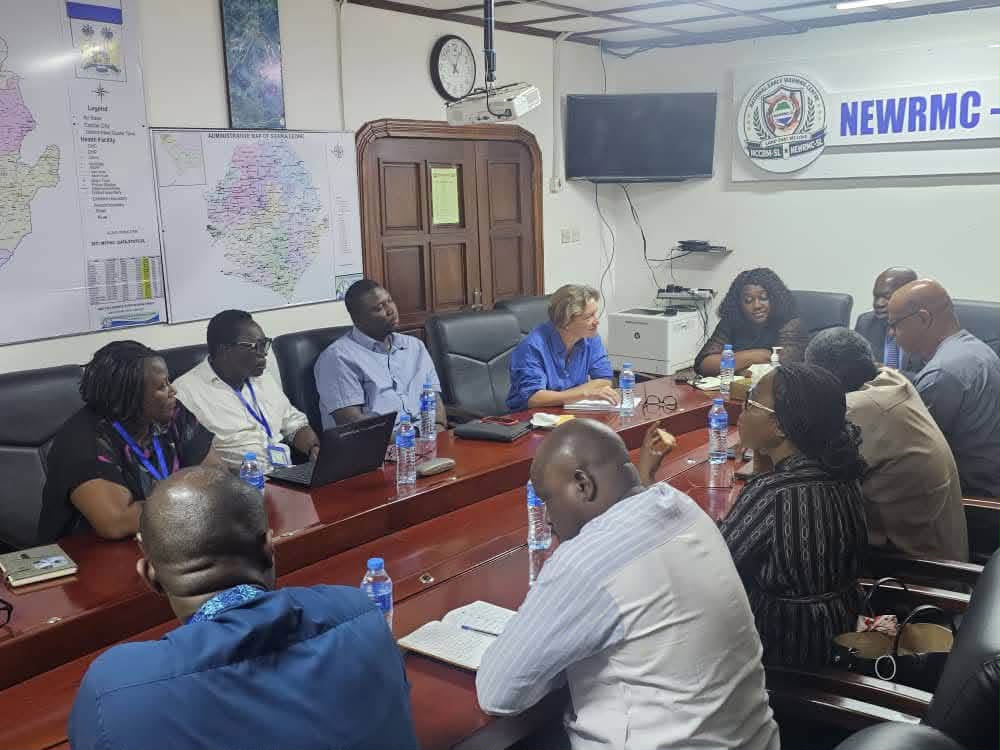
ECOWAS Seeks NEWRMC’s Support for €16 Million Fragility and Development Programme The Economic Community of West African States (ECOWAS) has engaged the National Early Warning and Response Mechanism Centre (NEWRMC) to support a regional initiative aimed at addressing fragility and improving the living conditions of vulnerable communities across five-member states.The engagement forms part of the ECOWAS fragility team’s work under the Regional Stabilization and Development Fund in fragile ECOWAS Member States (FRSD), a €16 million programme targeting The Gambia, Guinea-Bissau, Togo, Benin and Sierra Leone. It was following the official launch of the technical mission to Sierra Leone (the latest beneficiary of the fund), signalling the beginning of the preparation phase.The initiative seeks to promote political, social and economic stabilisation through strategic investment and capacity building in fragile and vulnerable communities.According to information presented by Salami Raouf, Executive Assistant to the Vice President of the ECOWAS Commission, the mission seeks to strengthen the process of verification of information that could inform investment priorities identified through the planning process.The regional body therefore reached out to NEWRMC, a member of the National Advisory Committee, relying on the centre’s expertise in information analysis and its mandate to provide independent assessments on issues affecting human security and development.The FRSD was established by the ECOWAS Commission in partnership with the German Federal Ministry for Economic Cooperation and Development (BMZ). It comprises financial cooperation, technical cooperation and direct ECOWAS investment components, designed to complement one another in supporting sustainable socio-economic stabilisation.The fund will focus on four key areas: private-sector promotion and job creation; the provision of basic services and resilience building; the promotion of social cohesion and good governance; and the strengthening of regional, national and local implementation capacities.The initiative is expected to support interventions that respond to the specific challenges faced by communities in fragile regions, while improving coordination, strengthening resilience and creating opportunities for sustainable development.The Executive Director of NEWRMC, Mrs. Francess Nyuma, assured the ECOWAS delegation of the centre’s support and pledged to provide the necessary assistance to the initiative. She also commended the project and its focus on addressing the conditions of vulnerable communities.The engagement further underscores the growing importance of collaboration between regional institutions and national early warning structures in ensuring that development interventions are informed by credible information, local realities and the specific needs of communities affected by fragility.The visit also featured a presentation by the centre’s Lead Analyst, Lientenant Colonel (Rtd.) Musa Fuad Kanneh, who provided an overview of the National Early Warning and Response Mechanism Centre. He explained the centre’s mandate to initiate, coordinate and track response activities within the context of human security and peace, while highlighting its five thematic areas: Security, Crime and Criminality, Good Governance and Human Rights, Health, and Environment.He further highlighted key achievements recorded by the Centre since its establishment, emphasizing its growing role in supporting evidence-based decision-making, early warning analysis and coordinated responses to emerging human security threats across Sierra Leone. RECENT BLOGS ECOWAS Seeks NEWRMC’s Support for €16 Million Fragility and Development Programme July 27, 2026 NEWRMC-SL Commends ECOWAS for Renewed Commitment to Peace, Security and Regional Stability July 23, 2026 Chinese Defence Attaché Visits NEWRMC-SL, Explores Areas of Collaboration July 13, 2026 ECOWAS unites in Freetown to tackle illicit drug flows and human security threats July 7, 2026 MRU, AfDB explore partnership with National Early Warning and Response mechanism Centre July 2, 2026 BLOG CATEGORIES Analysts Briefing Sessions Other Engagements
NEWRMC-SL Commends ECOWAS for Renewed Commitment to Peace, Security and Regional Stability

NEWRMC-SL Commends ECOWAS for Renewed Commitment to Peace, Security and Regional Stability The National Early Warning and Response Mechanism Centre Sierra Leone (NEWRMC-SL), also known as the National Centre for the Coordination of Response Mechanism (NCCRM), has commended the Economic Community of West African States (ECOWAS) for the strong commitments contained in the Final Communiqué of the 69th Ordinary Session of the Authority of Heads of State and Government. The session, held on 19th July 2026 in Lungi, Sierra Leone, under the chairmanship of His Excellency Dr. Julius Maada Bio, President of the Republic of Sierra Leone (the then Chair of the ECOWAS Authority of Heads of State and Government) adopted a series of decisions addressing regional integration, peace, security, political stability, terrorism, humanitarian challenges and other threats affecting human security across West Africa. As a national/state entity serving public interest, NEWRMC-SL recognises the Communiqué as an important reaffirmation of the region’s collective responsibility to anticipate threats, strengthen resilience and ensure that early warning is translated into timely and coordinated action. The centre’s mandate to initiate, coordinate and track response activities within the context of human security and peace places it directly within the broader regional architecture envisioned by ECOWAS. NEWRMC-SL particularly welcomes the Authority’s renewed commitment to consolidating regional unity, securing lasting peace and accelerating shared and sustainable development across West Africa. The centre considers this commitment essential because peace and development are closely linked to the ability of national and regional institutions to identify emerging risks early and mobilise appropriate responses before threats escalate into crises. The Executive Director of the centre Mrs. Francess A.M. Nyuma also commends the ECOWAS Authority for its attention to the deteriorating security situation in parts of the region, including terrorism, banditry, kidnappings and attacks affecting communities and security forces. She welcomes the progress made towards activating the regional Counter-terrorism Force and the adoption of a revised roadmap aimed at achieving full operational capability by July 2027, adding that these developments reinforce the importance of stronger coordination, information-sharing and timely response among Member States and regional institutions. For an institution whose work is centred on early warning and response coordination, the Communiqué’s emphasis on emerging security threats is particularly significant. Early warning systems are most effective when information is gathered from multiple sources, analysed collectively and connected to institutions capable of taking timely action. The regional security challenges identified by ECOWAS therefore underscore the need for continued investment in national early warning mechanisms and stronger links between national, regional and community-level response structures,” she stated. NEWRMC-SL further welcomes ECOWAS’ recognition of the deteriorating humanitarian situation caused by conflict, terrorism, displacement, food insecurity and climate-related disasters. The Authority’s concern over the impact of these challenges on women and children, including child recruitment, trafficking, exploitation, disrupted education and limited access to shelter, healthcare and livelihoods, reflects the broad and interconnected nature of human security threats. The centre supports the call for stronger coordination among Member States and enhanced resource mobilisation to address these pressing humanitarian concerns. The centre also commends the Authority’s focus on political stability, dialogue, inclusive political engagement and peaceful electoral processes. The communiqué’s call for stakeholders to prioritise dialogue, inclusivity and transparency in political and electoral processes is particularly relevant to the prevention of conflict and the preservation of social cohesion. NEWRMC-SL welcomes the recognition of progress made in Sierra Leone towards the implementation of the Agreement for National Unity and the reduction of socio-political tensions, while encouraging continued commitment to dialogue, inclusive engagement and peaceful reform processes. The centre further notes the ECOWAS position on border disputes along the Mano River Corridor, including the Yenga and Lofa areas. The Authority’s call for diplomatic solutions, technical assessments of border friction points and continued collaboration with the Mano River Union, the African Union and the United Nations Office for West Africa and the Sahel demonstrates the value of coordinated early warning and preventive diplomacy in addressing emerging tensions before they escalate. NEWRMC-SL also recognises the importance of the communiqué’s decisions on food security, climate-related disasters, digital transformation, cybersecurity, data protection, gender equality and regional connectivity. These issues are increasingly interconnected with human security and require institutions to monitor risks from a multidimensional perspective. The centre believes that the communiqué provides an important framework for strengthening collective action across West Africa. However, the effectiveness of these commitments will ultimately depend on sustained implementation, coordination, information-sharing and the ability of institutions to translate decisions into practical action at national, regional and community levels. NEWRMC-SL therefore commends the ECOWAS Authority of Heads of State and Government for its continued leadership in addressing the complex challenges confronting the region. The centre reaffirms its commitment to contributing to national and regional efforts aimed at strengthening early warning, promoting peace and security, supporting human security and ensuring that credible information leads to timely, coordinated and effective response. For NEWRMC-SL, the central lesson of the communiqué is clear: West Africa’s ability to prevent crises and protect its people depends not only on identifying threats, but also on ensuring that warnings are understood, trusted and acted upon. Stronger cooperation between national early warning institutions and regional mechanisms will therefore remain essential to building a more peaceful, resilient and secure West Africa. Executive Director RECENT BLOGS NEWRMC-SL Commends ECOWAS for Renewed Commitment to Peace, Security and Regional Stability July 23, 2026 Chinese Defence Attaché Visits NEWRMC-SL, Explores Areas of Collaboration July 13, 2026 ECOWAS unites in Freetown to tackle illicit drug flows and human security threats July 7, 2026 MRU, AfDB explore partnership with National Early Warning and Response mechanism Centre July 2, 2026 NEWRMC/NCCRM Launches its 5thAnniversary, Signs MoU with Peace Commission June 29, 2026 BLOG CATEGORIES Analysts Briefing Sessions Other Engagements
Chinese Defence Attaché Visits NEWRMC-SL, Explores Areas of Collaboration
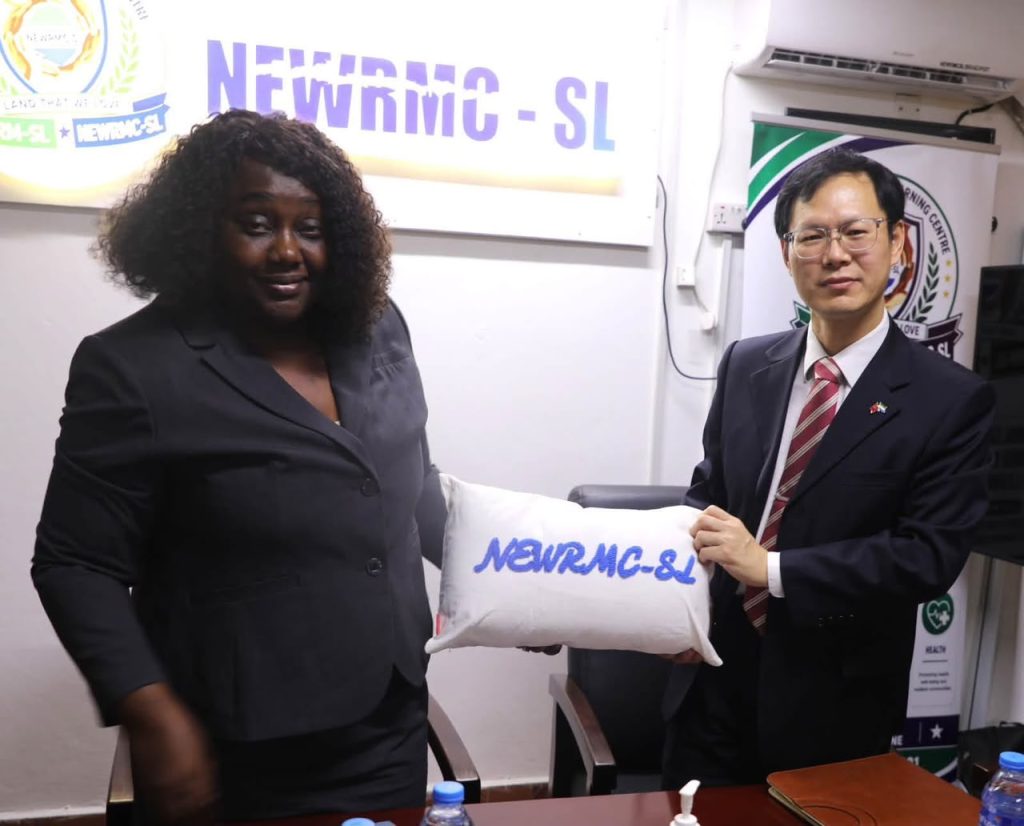
Chinese Defence Attaché Visits NEWRMC-SL, Explores Areas of Collaboration The Defence Attaché of the Embassy of the People’s Republic of China in the Republic of Sierra Leone, Senior Colonel PU Lin, on Monday 13th July 2026 paid a courtesy visit to the National Early Warning and Response Mechanism Centre Sierra Leone (NEWRMC-SL) at the Centre’s headquarters in Freetown to explore areas of mutual cooperation.Welcoming the delegation, the Executive Director of NEWRMC-SL, Mrs. Francess Nyuma, expressed appreciation to the Chinese Embassy for the visit and reaffirmed the Centre’s commitment to building strategic partnerships that advance peace and human security in Sierra Leone.Mrs. Nyuma noted that the Centre remains open to collaboration with development partners and encouraged the Defence Attaché to engage the institution whenever the need arises, particularly on matters requiring assessment, analysis or investigation within the Centre’s mandate.In his remarks, Senior Colonel PU Lin underscored the importance of strengthening cooperation between the Chinese Embassy and NEWRMC-SL. He highlighted potential areas of collaboration, particularly in providing training opportunities for staff of the Centre to enhance institutional capacity. He also outlined the Embassy’s intervention areas in Sierra Leone, especially programmes that align with the Centre’s thematic areas, and pledged to maintain regular engagement through subsequent visits.The visit also featured a presentation by the Centre’s Lead Analyst, Colonel (Rtd.) Fuad Musa Kanneh, who provided an overview of the National Early Warning and Response Mechanism Centre. He explained the Centre’s mandate to initiate, coordinate and track response activities within the context of human security and peace, while highlighting its five thematic areas: Security, Crime and Criminality, Good Governance and Human Rights, Health, and Environment.Colonel Kanneh further highlighted key achievements recorded by the Centre since its establishment, emphasizing its growing role in supporting evidence-based decision-making, early warning analysis, and coordinated responses to emerging human security threats across Sierra Leone.The visit reaffirmed the shared commitment of both institutions to strengthening cooperation in promoting peace, stability and sustainable development through enhanced early warning and response mechanism. RECENT BLOGS Chinese Defence Attaché Visits NEWRMC-SL, Explores Areas of Collaboration July 13, 2026 ECOWAS unites in Freetown to tackle illicit drug flows and human security threats July 7, 2026 MRU, AfDB explore partnership with National Early Warning and Response mechanism Centre July 2, 2026 NEWRMC/NCCRM Launches its 5thAnniversary, Signs MoU with Peace Commission June 29, 2026 NEWRMC Commemorates ECOWAS Day and Presents 2025 Annual Report to Parliament May 28, 2026 BLOG CATEGORIES Analysts Briefing Sessions Other Engagements
ECOWAS unites in Freetown to tackle illicit drug flows and human security threats
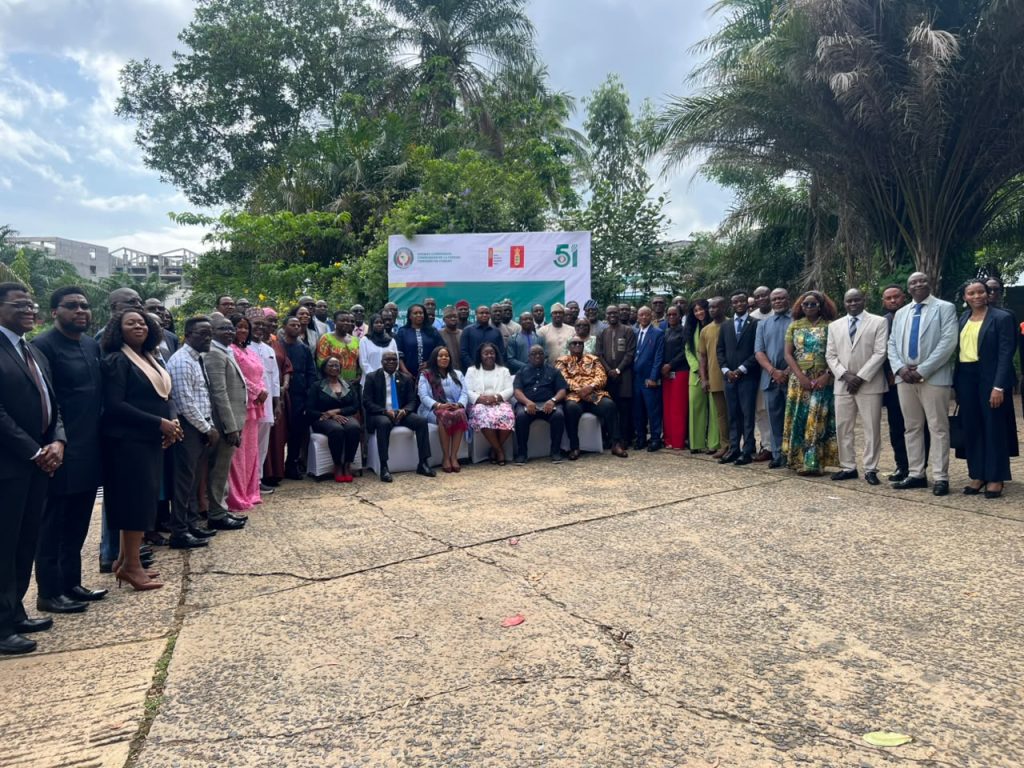
ECOWAS unites in Freetown to tackle illicit drug flows and human security threats FREETOWN, Sierra Leone, July 7, 2026 – Representatives from Member States of the Economic Community of West African States (ECOWAS) on Tuesday began a three-day regional workshop in Freetown aimed at strengthening early warning responses to illicit drug flows and the growing human security threats confronting the Mano River Union (MRU) sub-region. The workshop, held at the Radisson Blu Mammy Yoko Hotel has brought together early warning experts, policy-makers, security practitioners, public health specialists and regional partners to examine the increasing impact of illicit drug trafficking, particularly synthetic drugs, on peace, security and development in West Africa.Welcoming delegates, the Executive Director of the National Early Warning and Response Mechanism Centre of Sierra Leone (NEWRMC-SL) Mrs Francess Nyuma described illicit drug trafficking as one of the most pressing threats to peace, public health and regional stability within the Mano River Union.She called for stronger inter-agency collaboration and enhanced cross-border cooperation to combat the growing proliferation of synthetic substances while addressing the challenges posed by porous borders.“We cannot allow these illicit drug flows and networks to unravel the peace and progress we have built. Uncontrolled crossing points and transnational criminal syndicates not only threaten local security but also foster human trafficking and the flow of illegal arms, It is not only a law enforcement issue; it is a public health concern and a threat to human security” she said, urging member states to adopt synchronized regional actions to confront the evolving threat. Speaking on behalf of the ECOWAS Early Warning Directorate, the Acting Director of the Nigeria Early Warning Centre, Dr. Onyinye Onwuka, said illicit drug trafficking has become a major driver of organised crime and instability across the region.“When illicit drugs move across borders, they often bring with them organised crime, violence, weakened social structures, public health challenges and growing vulnerabilities among young people,” she said.Dr. Onwuka noted that the National Centres for the Coordination of Response Mechanisms (NCCRMs) or the National Early Warning Centres in the region occupy a strategic position within ECOWAS’ conflict prevention architecture. She reaffirmed the ECOWAS Early Warning Directorate’s commitment to strengthening regional capacities for risk monitoring, analysis and preventive action.According to her, through the ECOWARN platform and sustained collaboration with member states, national centres, technical partners and civil society organisations, ECOWAS will continue promoting a comprehensive human security approach that recognises the interconnected nature of emerging regional threats.Also addressing the opening ceremony, Mano River Union Deputy Secretary General for Peace and Security Ange Konan-Monu said illicit drug flows have evolved beyond a law enforcement issue, posing multidimensional threats that undermine societies across the sub-region.“Illicit drug flows in the MRU are not just a law enforcement headache; they actively undermine the fabric of society across multiple dimensions,” she said.She stressed that addressing the crisis requires a collective regional response and called for a fundamental shift in early warning strategies from traditional state-centric border enforcement to a broader human security framework.According to her, that framework should incorporate responses to public health emergencies, economic vulnerabilities and institutional weaknesses that enable organised criminal networks to thrive.The workshop was officially declared open by the ECOWAS Resident Representative to Sierra Leone, H.E. Ambassador John Azumah, who represented the President of the ECOWAS Commission, H.E. Dr. Omar Alieu Touray.Ambassador Azumah expressed appreciation to President Julius Maada Bio, Chairperson of the ECOWAS Authority of Heads of State and Government, for his leadership and commitment to regional peace and security.He reiterated ECOWAS’ belief that “Early Warning is everybody’s business” and encouraged participants to develop practical and actionable recommendations that will inform future submissions to the ECOWAS Authority of Heads of State and Government.He noted that the workshop forms part of the implementation of ECOWAS Vision 2050 and contributes to the collective objective of building a peaceful, secure, prosperous and integrated West Africa.The technical sessions feature presentations by regional and international experts on a range of emerging security issues, including the rise of new drug economies and synthetic substances such as Kush, the implications of drug trafficking for early warning systems, the links between organised criminal groups within the Mano River Union, and evolving security dynamics in Liberia, Sierra Leone, Guinea and Guinea-Bissau.Participants are also examining ways of integrating public health data into the ECOWARN system to improve the early detection of drug-related human security threats, mapping emerging trafficking routes, and analysing the nexus between illicit drug trafficking, violent extremism, organised crime and migration flows across the ECOWAS region.The workshop is expected to strengthen regional cooperation, enhance information sharing and develop coordinated strategies to prevent and respond to illicit drug trafficking and its far-reaching consequences for human security across West Africa. responsibilities. By equipping them with the necessary skills, knowledge, and tools, we can strive for a fair, transparent, and credible electoral process that upholds democratic principles. RECENT BLOGS ECOWAS unites in Freetown to tackle illicit drug flows and human security threats July 7, 2026 MRU, AfDB explore partnership with National Early Warning and Response mechanism Centre July 2, 2026 NEWRMC/NCCRM Launches its 5thAnniversary, Signs MoU with Peace Commission June 29, 2026 NEWRMC Commemorates ECOWAS Day and Presents 2025 Annual Report to Parliament May 28, 2026 NEWRMC Hosts Turkish Delegation May 18, 2026 BLOG CATEGORIES Analysts Briefing Sessions Other Engagements
MRU, AfDB explore partnership with National Early Warning and Response mechanism Centre
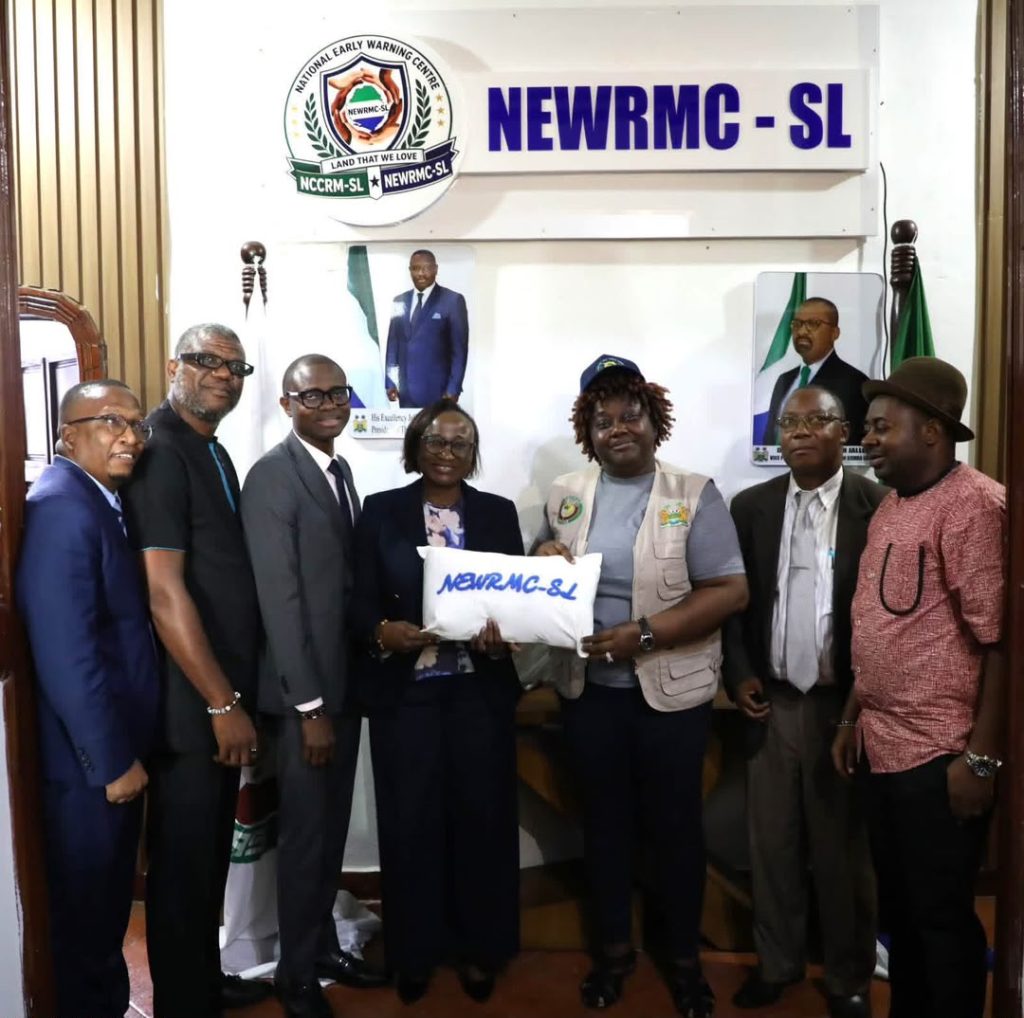
MRU, AfDB explore partnership with National Early Warning and Response mechanism Centre MRU, AfDB explore partnership with Early Warning Centre to Strengthen regional peace, address regional fragility and build resilienceThe National Early Warning and Response Mechanism Centre (NEWRMC) has held discussions with a joint delegation from the Mano River Union (MRU) Secretariat and the African Development Bank (AfDB) on strengthening regional collaboration to combat fragility, enhance resilience and improve peace and human security across the Mano River sub-region.The engagement took place on Thursday, July 2nd at the NEWRMC Situation Room in Freetown as part of an appraisal mission focused on developing a sub-regional framework for conflict prevention and resilience.Welcoming the delegation, NEWRMC Lead Analyst, retired Col. Musa Fuad Kanneh, outlined the centre’s mandate and highlighted its key thematic areas, emphasizing the institution’s role in monitoring and responding to emerging security threats through early warning mechanisms.Speaking during the meeting, MRU Deputy Secretary General Ange Konan-Monu described the visit as an appraisal mission aimed at supporting the establishment of a Sub-Regional Observatory on Fragility and Resilience.She explained that the proposed observatory is intended to strengthen data collection, enhance early warning systems and promote socio-economic resilience across the Mano River Union member states.“The objective of this visit is to formally brief your institution on the mission’s objectives, share perspectives on the architecture of the proposed observatory and benefit from your invaluable guidance on how this mechanism can best serve the sub-region’s long-term peace and development agenda,” she said.African Development Bank Fragility Officer Alex Yeanay said the Bank intends to build on existing institutions already working in the areas of peace, human security and early warning, rather than creating parallel structures.He stressed the importance of leveraging established mechanisms such as the NEWRMC to maximize efficiency and strengthen regional cooperation. Mr. Yeanay noted that the African Development Bank and the Mano River Union have been jointly assessing fragility and resilience across the region to better understand the multidimensional risks affecting member states.According to him, the assessment examines the key drivers of fragility and resilience within the MRU region and will provide critical evidence to guide the African Development Bank’s country strategies and sub-regional investment programmes while promoting greater coordination among development partners.He also reaffirmed the Bank’s commitment to supporting peacebuilding and human security initiatives within the Economic Community of West African States (ECOWAS), particularly in the Mano River sub-region.Executive Director of the National Early Warning and Response Mechanism Centre, Francess A.M. Nyuma, welcomed the initiative and underscored the importance of sustained collaboration among regional institutions.She commended the MRU and the Bank for engaging the centre during the consultative stage of the initiative and called for continued partnerships in addressing common security challenges.Mrs. Nyuma also disclosed that the Centre is developing a concept aimed at bringing together analysts from across the Mano River sub-region to share knowledge, exchange experiences and strengthen collective responses to threats to peace and human security.The meeting concluded with a shared commitment by the National Early Warning and Response Mechanism Centre, the Mano River Union and the African Development Bank to deepen collaboration in strengthening conflict prevention, resilience and regional stability through improved early warning systems, information sharing and coordinated action. RECENT BLOGS MRU, AfDB explore partnership with National Early Warning and Response mechanism Centre July 2, 2026 NEWRMC/NCCRM Launches its 5thAnniversary, Signs MoU with Peace Commission June 29, 2026 NEWRMC Commemorates ECOWAS Day and Presents 2025 Annual Report to Parliament May 28, 2026 NEWRMC Hosts Turkish Delegation May 18, 2026 STRENGTHENING NATIONAL STABILITY THROUGH STRATEGIC COLLABORATION January 21, 2026 BLOG CATEGORIES Analysts Briefing Sessions Other Engagements
NEWRMC/NCCRM Launches its 5thAnniversary, Signs MoU with Peace Commission
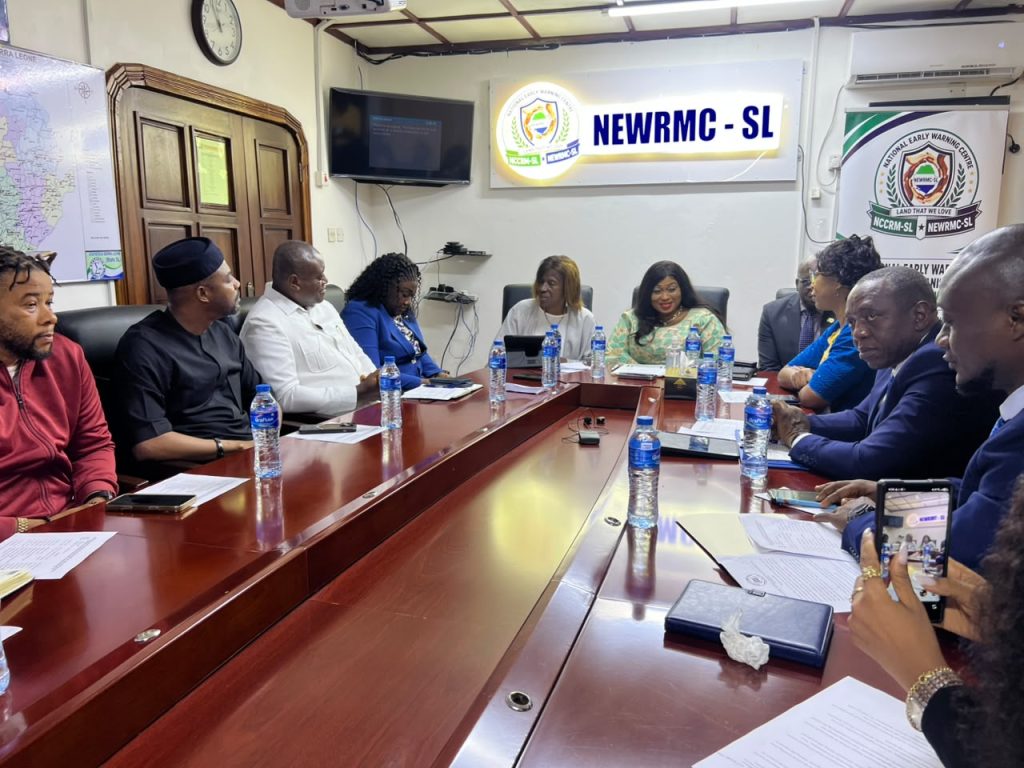
NEWRMC/NCCRM Launches its 5thAnniversary, Signs MoU with Peace Commission The National Early Warning and Response Mechanism Centre of Sierra Leone (NEWRMC-SL) has launched the commemoration of its Fifth Anniversary with the signing of a Memorandum of Understanding (MoU) with the Independent Commission for Peace and National Cohesion (ICPNC), unveiled its new logo and reaffirming its commitment to strengthening peace, security and early warning systems across the country. Speaking at the launch of the anniversary celebration, Executive Director of NEWRMC-SL recalled that the institution was established through an Executive Order signed by H.E President Julius Maada Bio on June 29, 2020 leading to its inauguration on 13th September, 2021, a milestone that has since been strengthened through an Act of Parliament. She said the centre treasures the date because it represents the beginning of an institution that has grown into a key pillar of Sierra Leone’s peace and security architecture. She expressed appreciation to all Ministries, Departments and Agencies (MDAs) that have supported the centre’s work over the past five years and described the ICPNC as a longstanding worthy partner since inception. The ECOWAS Resident Representative in Sierra Leone Ambassador John Azumah congratulated the centre for its contribution to human security and peace in Sierra Leone, and for the achievements. The Ambassador, together with the Ministers of State in the Office of the Vice President and Planning and Economic Development jointly unveiled the new NEWRMC-SL logo. Addressing the ceremony, the Minister of Planning and Economic Development, Madam Kenyeh Barlay underscored the importance of peace in achieving national development objectives. “Peace is central to our development agenda, as I normally say there is no development without peace and peace cannot be sustained without development. Peace is woven into our Medium-Term National Development Plan and the Big-5 Game Changer,” she said. The minister commended the centre’s leadership and staff for their professionalism and consistency over the past five years and pledged the ministry’s continued support. Delivering the keynote address, the Minister of State in the Office of the Vice President, Madam Manty Tarawalli, highlighted the centre’s impressive achievements since becoming operational. “Over the last 5 years, NEWRMC-SL has produced over 224 analytical reports, including 19 Early Warning Alerts, 6 Situation Reports and created more than 760 policy recommendations to support timely decision-making and early response. Behind all of those achievements lie many individual stories. Stories of analysts working late nights and away from their families to either reinvigorate action on threats and detect emerging, threats or vulnerabilities,” she stated. According to the minister, the centre has steadily expanded its analytical capacity since its official inauguration in September 2021. Between 2021 and 2025, it produced 224 analytical products, including monthly reports, early warning alerts, situation reports, policy briefs and joint thematic assessments covering security, crime and criminality, governance and human rights, environmental issues and public health. The centre recorded consistent annual output, producing nine major reports during its first operational year in 2021, followed by 57 reports in 2022, 53 each in 2023 and 2024, and 52 reports in 2025. During the five-year period, NEWRMC-SL also issued early warning alerts addressing emerging threats such as border tensions, communal violence, food insecurity, counterfeit medicines, economic instability, election-related tensions, regional conflicts and public safety concerns. In addition, the centre prepared six Situation Reports covering major national emergencies, including the Wellington fuel tanker explosion, the 2022 Freetown flooding disaster, developments along the Sierra Leone-Guinea border, the November 2023 military armoury breach, environmental hazards and the growing challenge of unregulated borehole and well construction. One of the centre’s most significant contributions has been its policy support to government. Between 2023 and 2025 alone, it generated 528 recommendations for government institutions, security agencies and development partners, addressing issues such as environmental protection, public health preparedness, border security, conflict prevention, governance reforms and disaster management. Some of these recommendations resulted in concrete government action, including strengthened protection of critical infrastructure, the establishment of a Food Safety Task Force, joint border patrols, enhanced disease surveillance, environmental protection initiatives and community conflict resolution mechanisms. NEWRMC-SL also played a prominent role during Sierra Leone’s June 2023 general elections by deploying 15 field monitors across political districts and operating a 24-hour Situation Room throughout the electoral period. Information gathered from the field supported timely reporting and national efforts to prevent violence and maintain stability before, during and after the elections. Beyond its operational work, the centre has invested significantly in institutional development. Between 2021 and 2025, staff participated in more than 60 local and international training programmes covering governance, election security, conflict prevention, climate resilience, human rights, disaster risk reduction, ICT systems and early warning methodologies. The institution has also strengthened its technological infrastructure through support from ECOWAS, GIZ and the Government of Sierra Leone, acquiring modern ICT equipment, servers, vehicles, generators and communication systems to enhance its operations. A landmark achievement came in 2025 with the enactment of the National Early Warning and Response Mechanism Centre Act, which provides the institution with a solid legal framework and strengthens its mandate and long-term sustainability. The centre’s growing reputation has also earned regional recognition. In both 2023 and 2024, ECOWAS recognised NEWRMC-SL as one of the leading Anglophone early warning centres in West Africa. It has since hosted study visits and experience-sharing programmes and has been identified as a model institution for sharing best practices among ECOWAS member states. Over the past five years, NEWRMC-SL has collaborated with more than 120 national and international stakeholders, including government institutions, security agencies, civil society organisations, development partners, diplomatic missions and regional organisations. Despite challenges such as funding constraints and operational limitations, the centre has continued to strengthen its capacity and expand its role in promoting peace, preventing conflict and supporting evidence-based decision-making. The signing of the Memorandum of Understanding with the Independent Commission for Peace and National Cohesion marked another significant milestone, reinforcing collaboration between the two institutions as Sierra Leone continues to strengthen its national peace and early warning framework. RECENT BLOGS NEWRMC/NCCRM Launches
NEWRMC Commemorates ECOWAS Day and Presents 2025 Annual Report to Parliament

NEWRMC Commemorates ECOWAS Day and Presents 2025 Annual Report to Parliament NEWRMC Commemorates ECOWAS Day, Presents 2025 Annual Report to ParliamentThe National Early Warning and Response Mechanism Centre Sierra Leone (NEWRMC-SL) joined other member states across West Africa on May 28 to commemorate the 51st anniversary of the Economic Community of West African States (ECOWAS), marking another milestone in the region’s journey toward integration and development.As part of the celebration, the Centre’s 2025 Annual Report was formally laid before Parliament by the Minister of Planning and Economic Development, Madam Kenyeh Ballay. The report highlighted the Centre’s achievements during the year, including the production of 52 reports aimed at strengthening early warning systems and promoting human security across Sierra Leone.Addressing Members of Parliament and attendees, Minister Ballay described NEWRMC as a vital component of the ECOWAS early warning and response network. She noted that the occasion coincided with a significant period for Sierra Leone, as President Julius Maada Bio currently serves as Chairman of the Authority of ECOWAS Heads of State and Government.According to the Minister, the Centre has played a transformative role in national security and governance by shifting the country’s approach from reactive responses to proactive interventions. She urged partner institutions to pay close attention to the Centre’s warnings and recommendations, emphasizing their importance in safeguarding citizens and preventing potential crises.Madam Ballay commended NEWRMC for its consistent contribution in promoting peace, stability, and human security. She also paid tribute to the Centre’s Executive Director, Mrs. Francess A.M. Nyuma, describing her as a key pillar behind the institution’s success. While praising the Centre’s achievements, she observed that its work has not received the level of public visibility and recognition it deserves despite its significant impact.This year’s ECOWAS Day was celebrated under the theme, “Celebrating 51 Years of Regional Integration,” reflecting the organization’s vision of building a prosperous and united community for more than 400 million citizens across West Africa. The event brought together the ECOWAS Representative in Sierra Leone and his delegation, officials from the Ministry of Planning and Economic Development, as well as the leadership and staff of NEWRMC.Speaking during the ceremony, ECOWAS Representative to Sierra Leone, Ambassador John Azumah, described the 51st anniversary as a major achievement for the regional bloc. He highlighted several accomplishments recorded over the past five decades, including the promotion of free movement among member states, improved transport connectivity across the region, progress toward a single regional currency, and increased intra-regional trade through common external tariffs.Ambassador Azumah also pointed to social sector achievements, particularly humanitarian assistance and development initiatives. He referenced the mobilization of funds for the establishment of a sanitary pad factory in Kono District and emphasized ECOWAS’s commitment to gender equality and youth empowerment. Despite these successes, he acknowledged that political instability remains a major challenge facing the region.In her remarks, Executive Director Mrs. Francess A.M. Nyuma expressed gratitude to Minister Ballay for her unwavering support and leadership. She also commended Ambassador Azumah and reaffirmed the Centre’s commitment to strengthening collaboration with ECOWAS and its supervising ministry. Looking ahead, Mrs. Nyuma noted that while ECOWAS celebrates its 51st anniversary, NEWRMC is preparing to mark its own fifth anniversary. She stressed that the Centre’s goals can only be achieved through sustained partnerships, cooperation, and collective commitment from all stakeholders. RECENT BLOGS NEWRMC Commemorates ECOWAS Day and Presents 2025 Annual Report to Parliament May 28, 2026 NEWRMC Hosts Turkish Delegation May 18, 2026 STRENGTHENING NATIONAL STABILITY THROUGH STRATEGIC COLLABORATION January 21, 2026 DECEMBER 17TH 2025 ANALYST S’ BRIEFING SESSION December 17, 2025 NEWRMC’S PARTICIPATION IN THE 2025 CIVIC FESTIVAL December 11, 2025 BLOG CATEGORIES Analysts Briefing Sessions Other Engagements